Surviving the June 2025 Google Update: Real-World Recovery Plans & Ranking Tips
If your rankings dropped after the June update, you're not alone. But there is a path forward. This post offers practical steps to diagnose, stabilize, and improve performance fast.
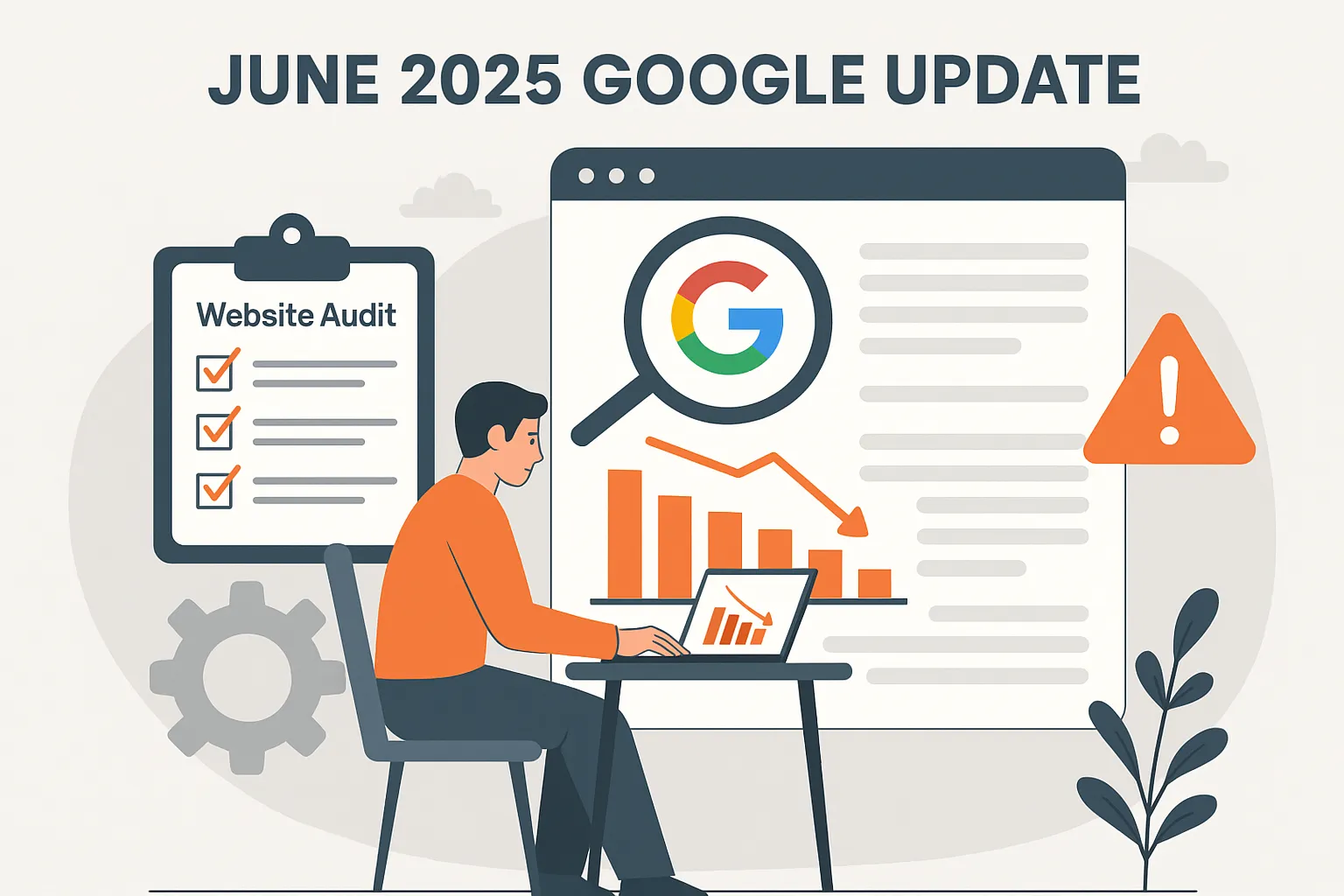
How can I confirm my site was impacted by the June 2025 update?
The first step to recovery is certainty. Core updates often trigger anxiety, but not every dip is algorithmic. Before you scramble, validate the timeline.
- Check your Google Search Console for noticeable declines between June 5–13, 2025.
- Correlate impressions, clicks, and keyword positions with update rollout windows reported by credible SEO outlets like Search Engine Roundtable.
- Compare organic traffic patterns in GA4 — filter by organic source only.
A Michigan-based HVAC company saw a 27% drop in organic traffic after June 7. GSC showed sharp position losses for localized service terms like "furnace repair Grand Rapids." The drop coincided exactly with the algorithm release timeline, confirming impact.
"Google's June 2025 Core Update was broad and systemic, impacting topical authority signals, backlink trust, and outdated content across verticals." — Barry Schwartz, SERoundtable, June 2025
What tools should I use to analyze ranking and traffic changes?
Once you confirm impact, it's time to dissect the damage. Use a layered toolkit that provides insight across content, rankings, and technical SEO. Take a quick look at the recommended tool stack to help you get the job done correctly.
- Google Search Console: For performance trends, mobile usability, and core vitals.
- Ahrefs or SEMrush: For keyword volatility, lost/gained rankings, and backlink monitoring.
- Screaming Frog: To spot crawl errors, orphaned content, and thin pages post-update.
- ChatGPT or Claude: To identify semantically weak areas or AI-unfriendly content blocks (for AIO/GEO fixes).
Which on-page updates should I implement immediately?
Content bloat and low topical trust are common culprits after major updates. Strengthen every asset you plan to keep with high-intent optimization.
- Refresh older posts with recent data, improved headers, and updated stats.
- Add structured data (especially FAQs, product markup, article schema).
- Rewrite intros to better answer search intent directly (AEO).
- Restructure pages using
<section>,<h2>/<h3>, and semantic lists for SXO.
Real-world fix
An e-commerce brand updated its buying guides by integrating collapsible FAQs, "Pros vs. Cons" lists, and JSON-LD markup and saw rankings began rebounding within 4 days.
How do I audit and clean my backlink profile?
Google continues to dial back the weight of irrelevant or manipulative backlinks. Toxic links won't always cause a penalty—but they can weaken trust signals.
- Use Ahrefs' toxic score or SEMrush's audit to flag risky domains.
- Disavow spammy links from gambling, adult, or spun content sites.
- Reach out to remove links from old partnerships or outdated directories.
- Build trust-building backlinks via fresh PR mentions or internal citations.
What's the realistic timeline for recovery?
Recovery isn't instant—but it's possible with consistency. Here's a loose framework based on observed patterns from past updates:
- Week 1–2: Audit, confirm update impact, start content cleanup.
- Week 3–4: Implement on-page changes, begin link cleanup.
- Week 5–6: Submit updated URLs via GSC and monitor crawl behavior.
- By Week 8: Stabilization of traffic and early signs of recovery.
For competitive niches, full recovery may take 3–6 months depending on authority, effort, and update overlap.
Frequently Asked Questions
How do I confirm if Google's update impacted my rankings?
Check your Google Search Console for sharp drops in impressions and rankings during June 5–13, 2025. Use GA4 to validate traffic patterns and compare to trusted industry update announcements.
What's the fastest way to recover from an algorithmic drop?
Start by updating key pages with improved structure, more direct answers, and relevant external/internal links. Pair that with backlink cleanup and disavow where needed.
Is structured data important for SEO recovery?
Yes, structured data helps both AI engines and Google better interpret your content. Add FAQPage, Article, Product, and HowTo schema where relevant.
- GEO
- Generative Engine Optimization – optimizing content so it can be cited and referenced by AI models like ChatGPT and Gemini.
- AIO
- AI Optimization – structuring your HTML and headings so AI can parse your site more easily and cite it accurately.
- SXO
- Search Experience Optimization – improving user interaction signals like scroll depth, time on page, and interaction rate to boost rankings.
AI PROMPT: Google Update Ranking Drop Recovery Generator
Purpose
Diagnose and recover from ranking drops caused by the **June 2025 Google Core Update**. Use AI to:
- Analyze traffic and keyword loss
- Audit content structure and backlink profile
- Generate a tailored SEO recovery plan
Input (You Provide)
- Website URL or **page content** (HTML/text)
- Google Search Console export (optional)
- Sample backlinks or referring domains (optional)
- Target keyword(s) and business vertical
AI Prompt
You are an elite-level SEO analyst and content strategist. Analyze the following website or webpage as if it were impacted by the June 2025 Google Core Update. Your job is to: 1. Diagnose ranking drops. 2. Identify underperforming content or weak signals. 3. Deliver a personalized, strategic recovery plan. Format your response in the following structure: A. Impact Confirmation B. Content Diagnostics C. On-Page Optimization Plan D. Backlink Audit E. Recovery Timeline F. SXO Enhancements G. "Fix First" Table (Top 5 URLs with recommendations) H. JSON-LD Recommendation Tone: Professional, clear, actionable. Cite prior update behavior where helpful. Start with: "Here's your personalized Google update recovery playbook...