Crafting the Future: Handmade Trends That Will Dominate 2025
From sustainable materials to functional art, handmade products are evolving fast. Here are the next big trends shaping the maker space this year.
Author: Chris Guild |
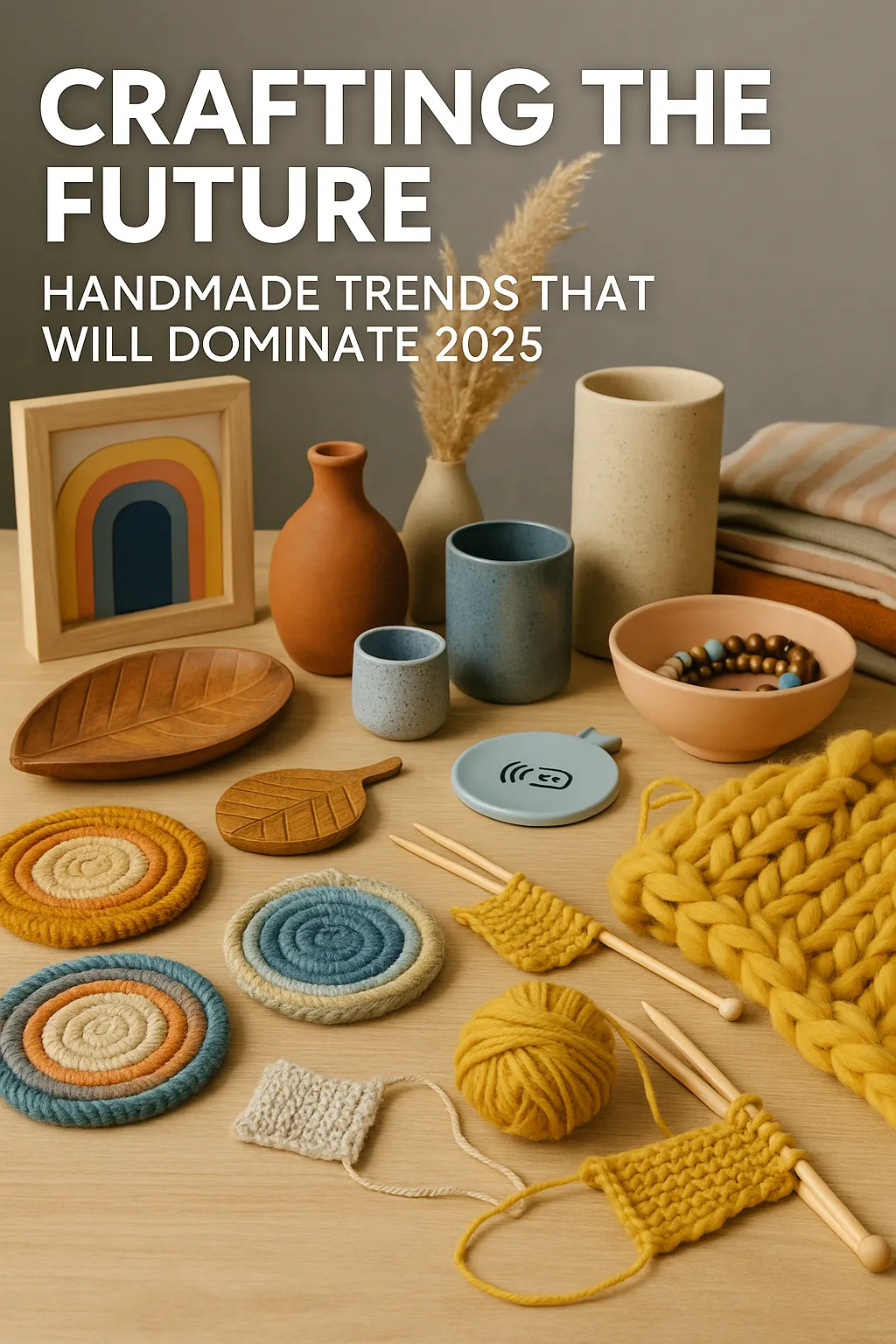
Why are circular and upcycled materials at the forefront?
Sustainability isn't just a buzzword—it's becoming the foundation of modern handmade business models. In 2025, circular crafting—creating goods from materials already in circulation—will no longer be niche. It's mainstream.
- Creators are using denim remnants, salvaged wood, and discarded ceramics to build zero-waste product lines.
- Platforms like Etsy and Made Trade highlight recycled sourcing in product search filters.
- Buyers actively seek provenance stories, rewarding transparency with loyalty.
Real-world example
California-based maker Loop Studio Co. transformed old wine barrels into minimalist plant stands and saw their viral reach double in under 30 days. Their success? A product with both story and style.
How are crafts merging with technology in 2025?
Handmade no longer means low-tech. A new breed of artisans is blending craftsmanship with smart capabilities—creating what we now call functional craft-tech.
- NFC-enabled cards embedded into resin bookmarks that link to personalized poems
- Wooden frames with integrated wireless charging pads
- Smart embroidery that glows when exposed to sunlight or movement
Hybrid maker spotlight
CraftSynk, a micro brand out of the UK, launched hand-bound wellness journals embedded with QR codes for daily meditations. Within 60 days, they were featured in 3 major trend newsletters—including Cool Hunting.
What makes wellness-inspired handmade items so compelling?
As wellness becomes a lifestyle rather than a luxury, handmade goods are rising to meet emotional and sensory needs. This year, expect to see more products positioned as tools for calm, connection, and daily ritual.
Trending items in this category include:
- Hand-poured aromatherapy candles tailored by mood state
- Natural textile heating pads, filled with herbs and seeds
- Ceramic mugs with grounding textures and thumb-rests for sensory comfort
Customers aren't just buying items—they're investing in how they want to feel. Products that ease anxiety or elevate routines are particularly potent in this market.
Why is nostalgia such a strong design influence right now?
2025's handmade aesthetic is deeply personal—and that often means reaching into the past. Whether it's Y2K beading, cottagecore embroidery, or 1970s color palettes, nostalgia is the connective tissue across generations of buyers.
- Millennials are leaning into their childhood through pixel art or Lisa Frank-style decor.
- Gen Z embraces patchwork, zines, and chunky yarns reminiscent of the 90s.
- Boomers reconnect through analog tools—like letterpress kits and rotary-dial phone ceramics.
"Nostalgia crafts act as emotional anchors—bringing comfort, culture, and curiosity into everyday life." — Etsy Trends Report, 2025
How is market demand shifting in 2025?
Today's handmade buyer is discerning—and fast-evolving. Beyond aesthetics, they're focused on what handmade means in terms of value, purpose, and longevity.
- Purpose-first storytelling: People want the "why" behind what you create.
- Premium minimalism: Buyers are choosing fewer but higher-quality handmade pieces.
- Local + global fusion: A handmade vase might be thrown in Oregon with techniques learned from a ceramicist in Kyoto.
What sellers should embrace now:
- Clear, ethical sourcing statements
- Behind-the-scenes process reels or tutorials
- Limited collections or made-to-order drops that feel exclusive but personal